

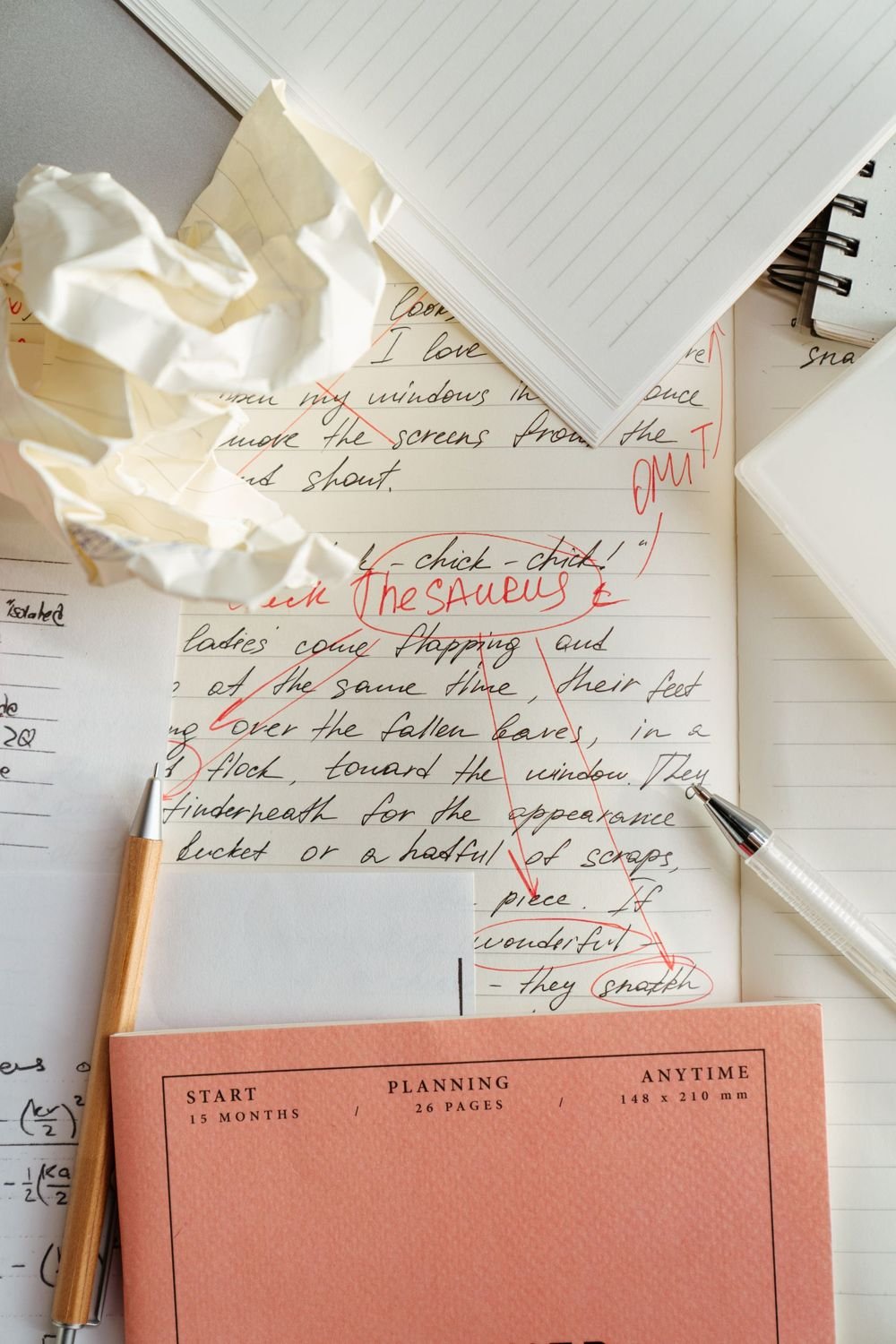
When a first draft comes back and it is not what you wanted, the instinct is to blame the writer. More often, the brief was too thin. A writer can only work with what they have been given, and “write 1,000 words about email marketing” gives them very little.
A good brief takes about twenty minutes to write, and it can save days of back-and-forth.
Start with the reader
Tell the writer who the piece is for: what they already know, what they are trying to do and what you want them to do after reading. “Small shop owners who send a monthly newsletter and are unsure it is worth the effort” is far more useful than “marketers.”
Give the angle, not just the topic
A topic is a subject. An angle is a point of view on it. “Email marketing” is a topic. “Why small shops should send fewer emails” is an angle. Without one, a writer will produce a competent survey that sounds like every other article on the subject.
Say what the piece should do
Is it meant to teach, persuade, rank in search, support a product launch or build trust? The answer affects structure, tone and where the call to action goes. State the goal in a sentence.
Share examples and sources
Link to two or three pieces you like and say why. Include any data, interviews or internal documents the writer can use, and name any claims that need a source. If there are facts that must be handled carefully, or topics to avoid, say so now.
Be clear about the rules
Practical details prevent rework:
- Word count or range
- Tone and voice, with an example if possible
- Words or phrases to use or avoid
- Links to include, and where they should point
- Format: headings, lists, images
- Deadline and the number of revision rounds
Explain what success looks like
One sentence is enough: “A reader should finish this knowing how to decide whether a newsletter is worth their time.” It gives the writer something to aim at and gives you something to check the draft against.
Invite questions
A brief is a conversation starter. Ask the writer to reply with any questions before they begin, and be prepared to answer them. The right writer will ask a few, and the answers will usually improve the piece.
When the draft arrives
Give feedback that points to the brief. “This section does not reflect the angle we agreed” is more useful than “it feels off.” If something is missing from the brief, say so and fix the template for next time. Good briefs get better with each project, and good writers will appreciate the clarity.



