This guide is for the person who listens to music or podcasts for hours a day and goes to gigs whenever they can: the commuter with earbuds in for an hour each way, the student studying to a playlist, the festival-goer who leaves with ringing ears and assumes it will pass. Hearing damage from loud sound builds up slowly and cannot be reversed. The good news is that a few habits protect your hearing without making music less enjoyable.
Why this matters
The World Health Organization’s fact sheet on deafness and hearing loss states that over 1 billion young adults are at risk of permanent, avoidable hearing loss due to unsafe listening practices. It projects that by 2050 nearly 2.5 billion people will have some degree of hearing loss.
Noise-induced hearing loss is gradual. You may not notice it until conversations in busy restaurants become hard to follow, which is why prevention matters more than waiting for symptoms.
How sound level is measured
Sound intensity is measured in decibels (dB). WHO’s safe listening questions and answers give a whisper as around 30 dB and normal conversation as about 60 dB. Its list of approximate levels includes:
| Sound | Approximate level |
|---|---|
| Whisper | 30 dB |
| Normal conversation | 60 dB |
| Doorbell | 80 dB |
| Heavy traffic (inside a car) | 85 dB |
| Shouted conversation | 90 dB |
| Motorcycle | 95 dB |
| Hair dryer | 100 dB |
| Car horn at 5 metres | 105 dB |
| Standing near a siren | 120 dB |
The decibel scale is logarithmic, so each step up of a few decibels is a much bigger increase in sound energy than the numbers suggest.
How long is safe?
WHO explains that three things affect hearing: the volume, the duration of listening and how often you are exposed. Its examples:
- At 80 dB, you can safely listen for up to 40 hours a week.
- At 90 dB, the safe listening time drops to four hours a week.
The safe time falls rapidly as volume rises. A small turn of the volume dial can cut your safe weekly listening time by a large fraction.
Volume and time trade off against each other. Turn it down and you can listen for longer.
Habits for headphones and earbuds
WHO’s advice to protect your hearing includes:
Keep the volume down
Set your device to no more than 60% of maximum volume. If you use an app that monitors sound level, WHO suggests staying below an 80 dB average.
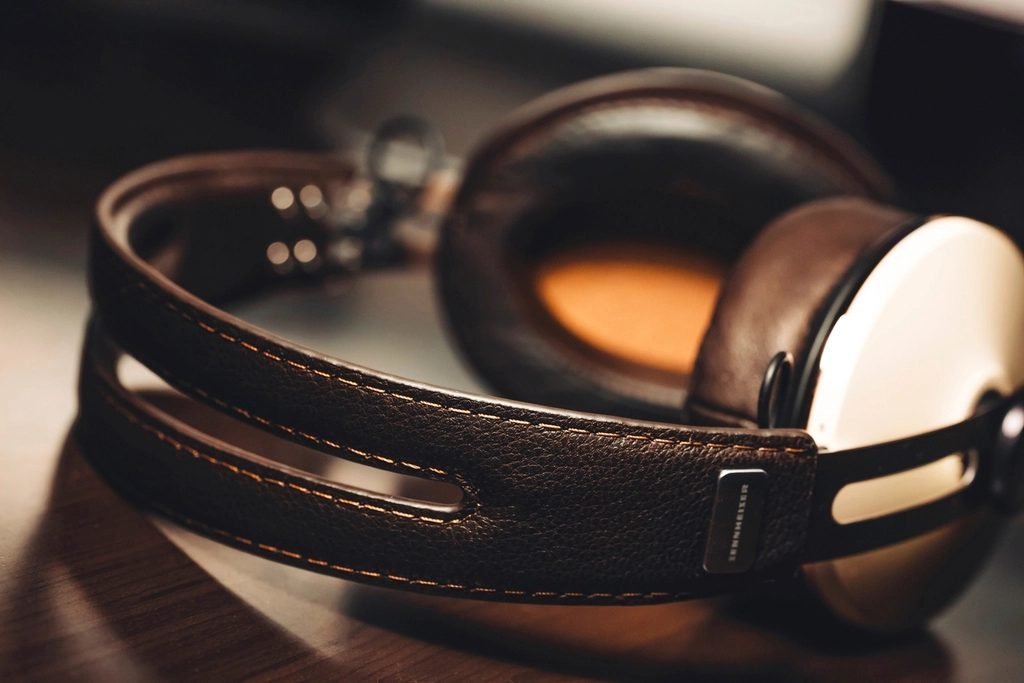
Use well-fitted, noise-cancelling headphones
In noisy places such as trains and planes, people turn the volume up to drown out the background. Well-fitted noise-cancelling headphones reduce that need, WHO notes.
Take listening breaks
Give your ears regular breaks from loud sound.
Use your phone’s hearing features
Many phones can show headphone audio levels and warn you about loud listening over time. Turning these on gives you a running check without having to think about it.
Setting a safe volume in practice
Percentages and decibels are easy to read about and hard to judge by ear. A practical routine:
1. Start in a quiet room. Put your headphones on and set the volume where speech or music is clear but not loud.
2. Check the setting. If it is above 60% of maximum, bring it down to that level or below and see whether it still sounds fine after a minute. Ears adjust quickly.
3. Set a limit. Many phones let you cap headphone volume in their sound or accessibility settings. Set the cap so you cannot creep upwards without noticing.
4. Use the noisy-place test. On a train or in a café, if you cannot hear someone speaking to you from about an arm’s length away, your volume is probably too high.
5. Review weekly. If your phone tracks headphone exposure, glance at the weekly summary. It shows whether long listening sessions at moderate volume are adding up.
Gaming, streaming and long sessions
Long gaming or streaming sessions combine headphones, moderate-to-high volume and hours of listening, the exact combination WHO’s guidance warns about. Volume that feels comfortable at the start of an evening often drifts upwards as the game gets louder or you tire. Set the system volume cap described above, use in-game audio settings to raise dialogue rather than overall volume, and take a short break away from headphones every hour or so.
Concerts, clubs and festivals
Live music venues are often much louder than headphone listening. WHO recommends ear protectors such as earplugs in noisy places.
Wear earplugs designed for music
Foam earplugs reduce volume but can muffle sound. High-fidelity earplugs made for musicians and concert-goers lower the level more evenly, so music still sounds clear. They are small, reusable and fit in a keyring case.
Stand away from the speakers
The closer you are, the louder it is. Moving back from the stage or speaker stacks makes a real difference.
Take quiet breaks
Step outside or into a quieter area every so often. At a festival, plan breaks between sets.
Notice the warning signs
Ringing in the ears (tinnitus) or muffled hearing after a gig are signs your ears have been exposed to too much sound. WHO lists heeding the warning signs of hearing loss among its key protective habits.
If you play music yourself
Musicians, DJs and people who rehearse in small rooms are exposed for hours at a time, often at high levels. Rehearse at the lowest volume that works, position amplifiers so they do not point straight at your ears, use in-ear monitors at controlled levels where possible, and wear musician’s earplugs during practice as well as performances. Bar and venue staff face similar exposure across whole shifts and benefit from the same habits.
Everyday noise
Hearing damage is not only about music. Power tools, lawnmowers, motorbikes and loud sports venues all count towards your weekly exposure. Wear ear protection for DIY and garden machinery, and limit time near very loud sources.
Signs worth getting checked
See a doctor or audiologist if you notice:
- Ringing or buzzing in your ears that lasts or keeps returning
- Difficulty following conversations in noisy places
- Often asking people to repeat themselves
- Turning the TV volume higher than others prefer
WHO notes that tools such as its hearWHO app make basic hearing screening widely available. A screening app is a starting point, not a replacement for a professional assessment.
Talking to children and teenagers
Young people are the group WHO highlights most. Practical steps for parents:
- Choose volume-limiting headphones for younger children.
- Turn on volume limits in the device’s parental settings.
- Explain the “60% rule” simply and set it together.
- Model the habit: keep your own volume down and wear earplugs at events.
A week of safer listening
| Situation | Habit |
|---|---|
| Commute | Noise-cancelling headphones; volume at or below 60% |
| Work or study | Lower volume; a break every hour |
| Gym | Watch the volume creep as you exercise |
| Concert or club | Musician’s earplugs; stand back from speakers; quiet breaks |
| DIY or mowing | Ear defenders or earplugs |
| End of the day | Some quiet time without headphones |
Safe listening checklist
- Device volume no more than 60% of maximum
- Listening level averaging below 80 dB if you monitor it
- Noise-cancelling, well-fitted headphones in noisy places
- Regular breaks from loud sound
- Earplugs for concerts, clubs, festivals and power tools
- Distance from speakers at live events
- Ringing or muffled hearing taken as a warning
- Hearing checked if signs persist
Takeaway
Hearing damage depends on how loud, how long and how often. Keep headphone volume at or below 60%, use noise-cancelling headphones so you do not need to turn it up, wear earplugs at live events, take breaks, and treat ringing ears as a sign to ease off.