

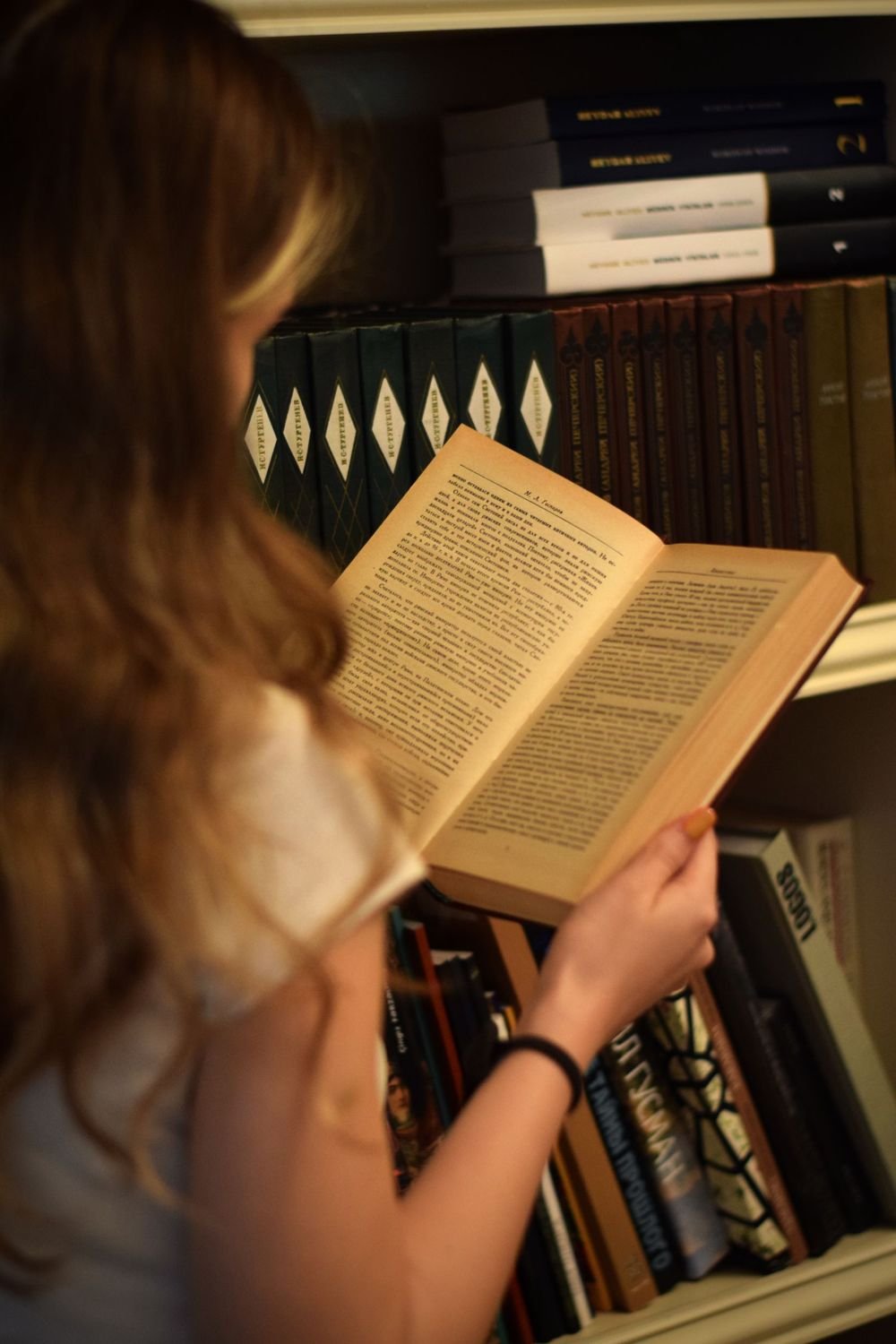
When you read your own writing silently, your brain fills in what you meant. Reading it aloud forces you to deal with what is actually on the page. It is one of the simplest and most effective editing techniques, and it costs nothing.
Why it works
Speaking slows you down. Each word has to be pronounced, so repeated phrases, missing words and awkward constructions stand out. Your ear also notices rhythm, which is difficult to judge by eye. A sentence that looks fine can be impossible to say in one breath.
How to do it
- Finish a draft first. Read aloud when you are ready to polish, not while you are still shaping the argument.
- Take a break. Even an hour away makes you a better listener.
- Read at a natural pace. Do not skim. If you want to speed up, that may be a sign the passage is padded.
- Mark, do not fix. Put a mark where you stumble, then keep reading. Fix the marked places afterwards.
- Work in sections. Reading a whole long piece in one sitting is tiring. Break it up.
What to listen for
- Stumbles. Anywhere you trip is usually a place where the sentence is too long or the word order is awkward.
- Breath. If you run out of air before the end of a sentence, split it.
- Repetition. The same word or sound close together is easy to hear even when you missed it by eye.
- Rhythm. Several sentences of the same length in a row can sound monotonous. Mix short and long.
- Tone. Does it sound like something you would say to a colleague? Stiff phrases and jargon show up quickly.
- Missing words. Your voice may supply a word your eyes skipped, so read slowly to catch the gaps.
When you cannot speak aloud
If you are in an open office or on a train, you can still use your ears. Many devices and apps include a text-to-speech feature that reads a document aloud. The voice may be flat, but it reads what is written rather than what you meant, which is what you need. Alternatively, mouth the words quietly or read in a whisper.
Read to someone else
If you can, read a piece to another person. Even if they say nothing, you will hear it differently, and any hesitation in their face is useful information. Do this particularly with speeches, presentations and anything that will be heard rather than read.
Use it at the right moment
Reading aloud works at the end of editing, after you have fixed structure and content. It is best for polishing sentences and catching small errors, not for deciding whether the whole piece works. For that, step back and look at the outline.
Make it a habit
Read aloud anything important before you send or publish it: a proposal, a cover letter, a client email. It takes a few minutes, and the improvement is often immediate. Over time, you will start to hear problems while you are drafting, which is the real payoff.



