This guide is for the person who cooks once and eats three times: the parent batch-cooking a Sunday chilli for weekday dinners, the student making a big pot of soup on a budget, the host facing a fridge full of party food on Monday morning. Leftovers save money and time, but they are also where many home food safety mistakes happen: food left out too long, a big pot cooling slowly on the hob, a container of rice found at the back of the fridge a week later. The rules are simple and worth knowing by heart.
Why leftovers need care
The USDA Food Safety and Inspection Service’s guide to leftovers and food safety names two main causes of foodborne illness: not cooking food to a safe temperature, and leaving food out at an unsafe temperature. Leftovers involve both, because food is cooked, cooled, stored and heated again.
Rule 1: respect the two-hour limit
FSIS explains that bacteria grow rapidly between 40°F and 140°F (about 4°C to 60°C), the range often called the danger zone. Its guidance:
- Refrigerate leftovers within 2 hours of cooking, or of removing food from an appliance keeping it warm.
- Throw away perishable food left at room temperature for more than 2 hours.
- Cut that to 1 hour if the temperature is above 90°F (about 32°C), such as at a summer picnic.
The clock starts when the food comes off the heat, not when the meal ends. A long, relaxed dinner can use up most of the window.
The two-hour clock starts when the food leaves the heat, not when you finish eating.
Rule 2: cool food quickly
A large pot of hot food takes a long time to cool all the way through, and the centre can spend hours in the danger zone. FSIS recommends:
- Divide large amounts into shallow containers. A big pot of soup cools faster split into several smaller containers.
- Cut large items into smaller portions. Slice roasts and hams; cut turkey into smaller pieces. FSIS notes that legs and wings can be left whole.
- Put hot food straight in the fridge, or chill it quickly in an ice or cold water bath first.
Many people were taught to let food cool on the counter before refrigerating. FSIS says hot food can go directly into the refrigerator.
Rule 3: wrap and label
FSIS advises covering leftovers, wrapping them in airtight packaging or sealing them in containers. This keeps bacteria out, keeps moisture in and stops food picking up fridge odours.
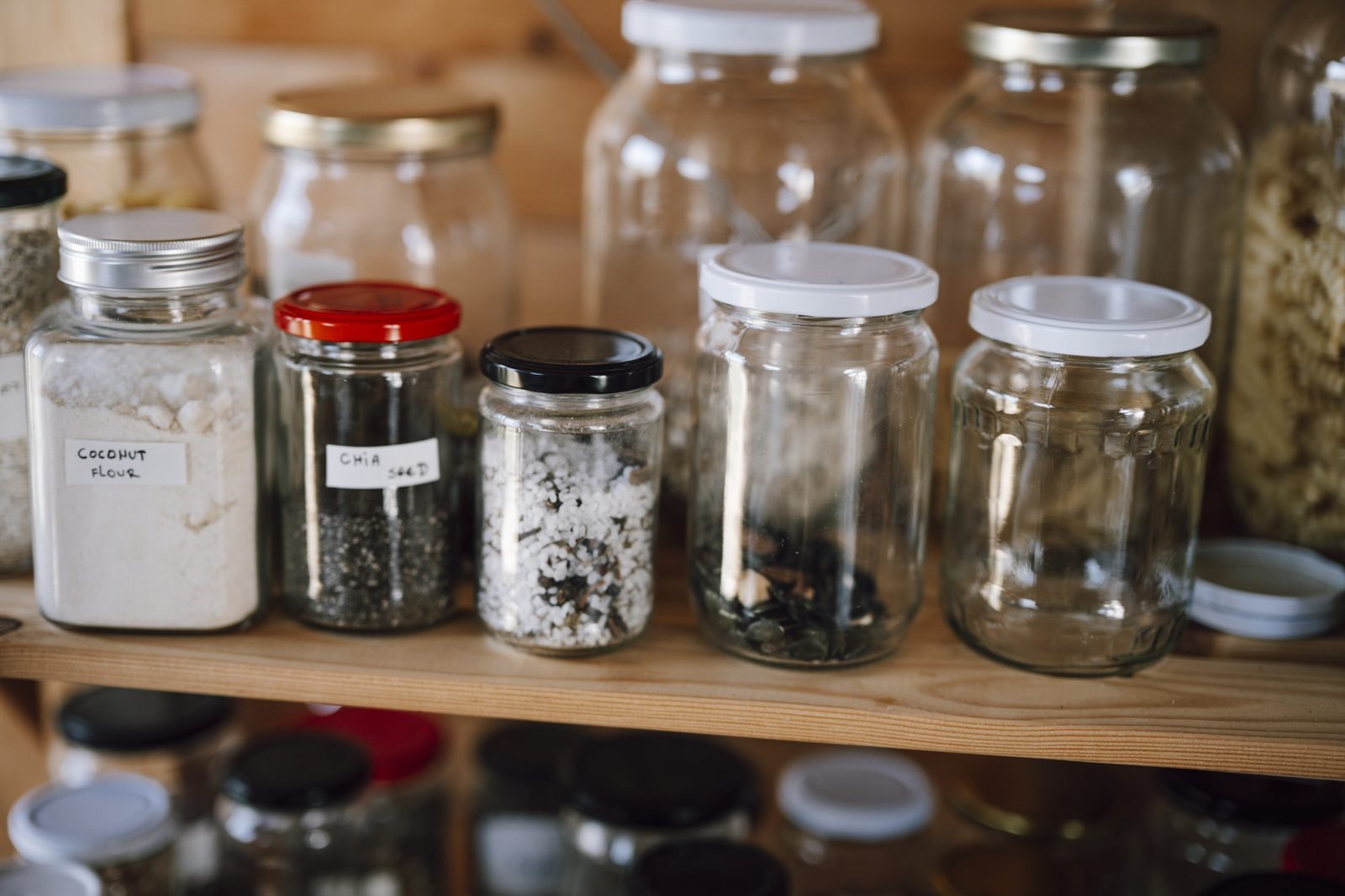
Add a label with the contents and the date. The US Environmental Protection Agency’s advice on preventing wasted food at home makes the same suggestion: refrigerate or freeze leftovers in clear, labelled containers with dates.
Rule 4: know how long it keeps
FSIS’s general rule is 3 to 4 days in the refrigerator and 3 to 4 months in the freezer. Frozen leftovers are safe indefinitely, it explains, but lose moisture and flavour over longer storage.
The cold food storage chart on FoodSafety.gov gives more detail for specific foods:
| Leftover | Fridge (40°F / 4°C or below) | Freezer (0°F / -18°C or below) |
|---|---|---|
| Cooked meat or poultry | 3 to 4 days | 2 to 6 months |
| Soups and stews with meat or vegetables | 3 to 4 days | 2 to 3 months |
| Pizza | 3 to 4 days | 1 to 2 months |
| Chicken nuggets or patties | 3 to 4 days | 1 to 3 months |
| Egg, chicken, tuna or macaroni salads | 3 to 4 days | Does not freeze well |
| Casseroles with eggs, after baking | 3 to 4 days | 2 to 3 months |
| Hard-cooked eggs | 1 week | Do not freeze |
The chart notes that freezer times are for quality only.
Keep the fridge cold enough
These times assume a refrigerator at 40°F (4°C) or below. An inexpensive fridge thermometer is the only way to know. The EPA also points out that the fridge door is its warmest part, so it is not the place for leftovers.
Rule 5: thaw safely
FSIS lists three safe ways to thaw frozen leftovers:
- In the refrigerator. Slowest, but the food stays safe throughout. Use within 3 to 4 days, or refreeze.
- In cold water. Faster but needs attention. The food must be in a leak-proof bag. Cook it before refreezing.
- In the microwave. Fastest. Heat until it reaches 165°F (74°C). It can then be refrozen.
FSIS also says it is safe to reheat frozen leftovers without thawing, in a saucepan, microwave or oven. It simply takes longer.
Rule 6: reheat to 165°F
FSIS advises reheating leftovers to 165°F (74°C), checked with a food thermometer. Its tips:
- Bring sauces, soups and gravies to a rolling boil.
- Cover food when reheating to retain moisture and heat it all the way through.
- In the microwave, cover and rotate the food, add a little liquid if needed, and vent the lid.
- Microwaves leave cold spots, so check the temperature in several places after a short resting time.
Refreezing
FSIS says it is safe to refreeze any food remaining after reheating previously frozen leftovers to 165°F. If you thaw a large container in the fridge and need only part of it, you can take what you need and refreeze the rest without reheating it.
Party food and buffets
Buffets are where the two-hour rule is easiest to break, because food sits out while guests graze. FSIS’s guidance for serving food this way:
- Keep hot food hot, at 140°F (60°C) or warmer, using chafing dishes, slow cookers or warming trays.
- Keep cold food cold, at 40°F (4°C) or below, by nesting dishes in bowls of ice.
- Use small serving trays and replace them often, rather than putting everything out at once.
- Discard cold or hot perishable food left out more than 2 hours, or 1 hour above 90°F.
A practical approach for a home party is to put out half of each dish, keep the rest in the fridge or oven, and swap in fresh trays rather than topping up old ones. Topping up mixes food that has been out for an hour with fresh food and makes the clock impossible to track.
After the party
Pack up what has been out less than two hours into shallow, labelled containers. Be honest about the platter that sat on the table all evening: it goes in the bin, not the fridge.
A batch-cooking routine that works
1. Cook to safe temperatures, using a thermometer.
2. Serve what you need; portion the rest into shallow containers straight away.
3. Label each container with the dish and the date.
4. Refrigerate within 2 hours; freeze anything you will not eat within 3 to 4 days.
5. Keep a list on the fridge of what is inside and when it needs eating.
6. Reheat each portion to 165°F, and only reheat what you will eat.
Leftovers checklist
- In the fridge within 2 hours (1 hour above 90°F)
- Large batches split into shallow containers
- Covered, airtight and labelled with the date
- Fridge at 40°F (4°C) or below; leftovers off the door shelf
- Eaten within 3 to 4 days or frozen
- Thawed in the fridge, cold water or microwave, never on the counter
- Reheated to 165°F (74°C), checked in several spots
Takeaway
Safe leftovers come down to time and temperature. Refrigerate within two hours, cool large batches quickly in shallow containers, label and eat within three to four days or freeze, and reheat to 165°F. A fridge thermometer and a food thermometer remove the guesswork.