General cooking and food-safety information, not personal dietary advice. If you have an allergy, a medical condition or are pregnant, follow the guidance from your own health professional on leftovers and rice.
It’s Thursday evening, shopping day is two days away, and the fridge holds half an onion, a bag of tired spinach, three eggs, a heel of cheese and some cooked rice from Tuesday. You don’t need a recipe for that. To cook from what you have, you need four or five loose patterns, a stocked cupboard and a few food-safety rules for the odds and ends. This guide covers all three, with worked examples and the official limits for leftovers and rice.
Why it pays to cook from what you have
The US Environmental Protection Agency (EPA) says that one-third of all food in the United States goes uneaten. Its home advice is straightforward: look in the fridge, freezer and pantry before you shop, plan meals for the week, and freeze food you know won’t be eaten in time. Cooking from a pattern instead of a recipe is the practical side of that advice, because a pattern lets the ingredients you already own decide the dinner.
The table below holds the four patterns this guide uses. Each takes whatever you have, in roughly the proportions shown.
| Pattern | Basic formula | Time | Best for using up |
|---|---|---|---|
| Stir-fry | Firm vegetables, then soft ones, hot pan, sauce of soy, a little sugar and something sour, served on rice or noodles | 15 min | Cabbage, carrots, peppers, broccoli stalks, cooked rice |
| Soup | Onion and garlic softened, chopped vegetables, stock, simmered until tender | 30 min | Limp or wrinkled vegetables, potato ends |
| Frittata | Beaten eggs with a little milk, cooked vegetables, cheese or cooked meat, set slowly | 20 min | Small amounts of many things, cheese rinds |
| Grain bowl | Cooked grain, roasted or raw vegetables, protein, simple dressing | 20 min | Leftover grains, roast vegetables, tinned beans |
The four patterns in detail
Stir-fry
Cut everything to a similar size so it cooks evenly. Heat the pan until it’s properly hot, add oil, and put in the firm vegetables first (carrot, broccoli stalk, cabbage stem), then the softer ones (peppers, spinach, courgette). For the sauce, mix a spoonful of soy sauce with a pinch of sugar and a squeeze of lime or a splash of vinegar. Serve on rice or noodles.
Soup
Soften a chopped onion and some garlic in oil for five to eight minutes, add chopped vegetables, cover with stock, and simmer until everything is tender. Blend it if you like a smooth soup. This is where vegetables that have seen better days belong. Use only what is still sound, and bin anything mouldy or slimy.
Frittata
Beat six eggs with a splash of milk, season, and stir in whatever is cooked and small: wilted spinach, softened onion, diced potato, grated cheese. Pour it into an oven-safe pan with some hot oil, cook gently on the hob until the edges set, then finish under a hot grill or in a hot oven until the middle is firm. It’s good hot or cold, which suits a packed lunch.
Grain bowl
Layer a cooked grain with roasted or raw vegetables and a protein such as beans, an egg or leftover chicken. A dressing of three parts oil to one part lemon juice, with salt and a teaspoon of mustard, works with almost anything.
Example: the Thursday fridge above becomes a frittata. Soften the onion, wilt the spinach, fold in three eggs beaten with a splash of milk and grate in the cheese heel. Serve it with the Tuesday rice reheated properly (see the rice section below) and a quick dressing. Cost: nothing beyond what you already own.
Stock the cupboard so any fridge works
A short list of staples makes all four patterns possible even when the fridge is nearly bare:
- Rice, pasta or noodles
- Tinned tomatoes and tinned beans or chickpeas
- Oil, vinegar and soy sauce
- Stock cubes or powder, or ready-made stock
- Dried spices, with at least one hot and one warm
- Onions and garlic, which keep for weeks
- A jar of mustard
Check the labels on stock and soy sauce. The NHS says adults should have no more than 6g of salt a day, around one level teaspoon, and lists soy sauce and stock cubes among the products where reduced-salt versions are worth choosing. Taste the dish before you add more salt.
Leftovers and rice: the safety rules
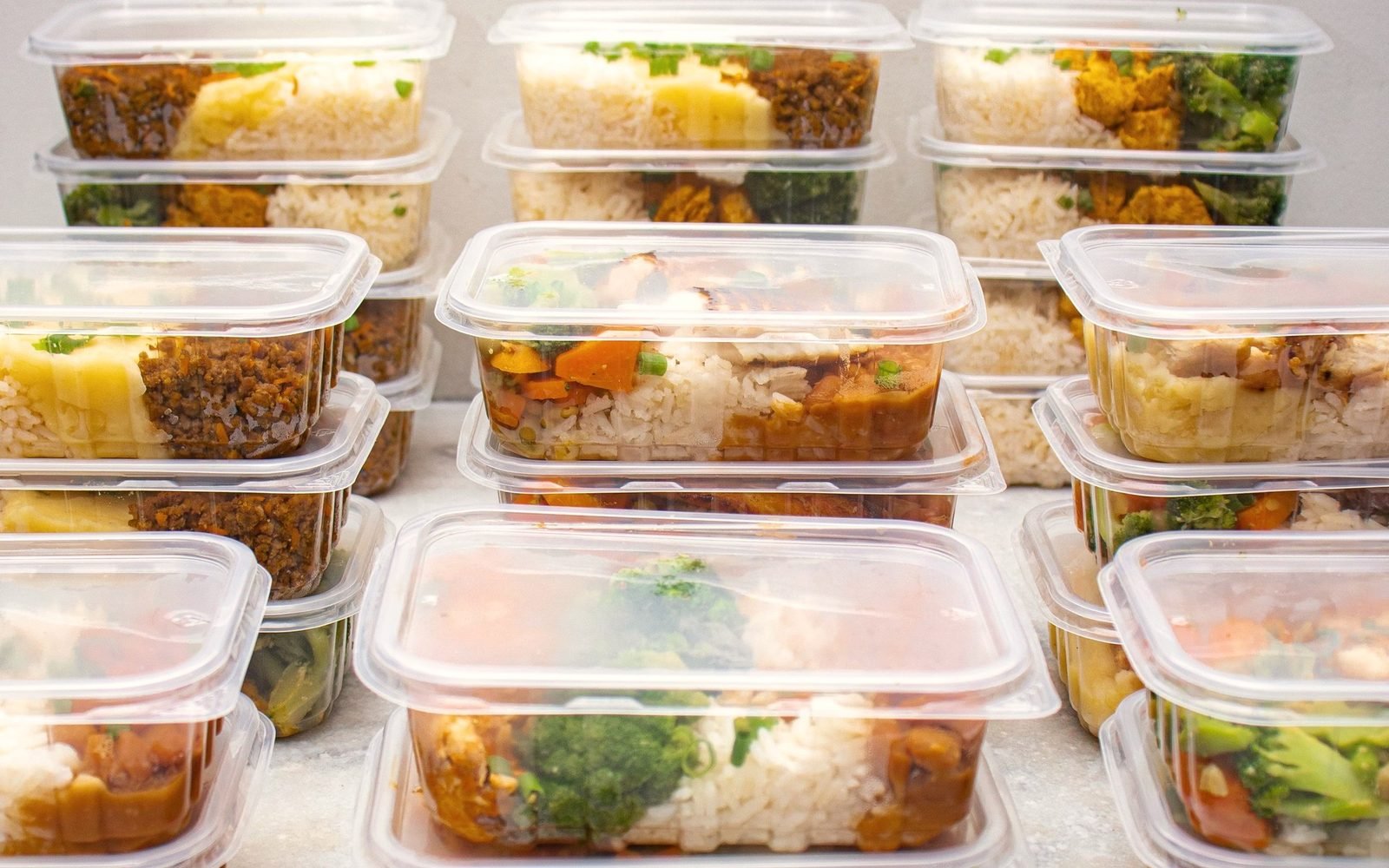
Cooking from odds and ends often means reusing cooked food, so the limits matter. The UK Food Standards Agency’s student guide to food safety says to cool and cover leftovers and put them in the fridge or freezer within one to two hours, to eat fridge leftovers within 48 hours, and to reheat until steaming hot throughout. It adds that leftovers should only ever be reheated once.
Rice has its own rule. The FSA’s home food fact checker says to chill leftover rice as quickly as possible, ideally within one hour, to keep it in the fridge for no more than one day before reheating, and to never reheat rice more than once. When you do reheat it, check that the dish is steaming hot all the way through. The same page says that freezing rice within an hour of cooking stops bacteria multiplying, and that frozen rice should be defrosted in the fridge and then reheated until steaming hot.
The fridge itself should be cold enough. The EPA says refrigerators should be set to 40°F or below, and notes that the lower shelves are the coldest part.
Example: you cook rice at 6pm. Spread it on a tray to cool and have it in the fridge by 7pm. Eat it, reheated until steaming, by 6pm the next day, and don’t heat what’s left over again.
A leftover has a clock on it from the moment it comes off the heat.
A fridge-raid routine you can follow
- Take everything out of the fridge and look at it on the counter.
- Sort it into things to use today, things to use in two days, and things that keep.
- Pick the pattern that suits the “today” pile: soft vegetables for soup or a frittata, firm ones for a stir-fry, cooked grains for a bowl.
- Start with onion and garlic, since they give the dish a base.
- Season in stages and taste as you go.
- Freeze anything you won’t get to, labelled with the contents and the date, as the EPA advises.
- Put a “use first” box on the top fridge shelf where you’ll see it.
Taste as you go
When a dish tastes flat it usually wants one of three things: salt, acid or heat. Add them a little at a time and taste between additions. A squeeze of lemon or a splash of vinegar at the end brightens soups and bowls. A pinch of chilli lifts a frittata. Salt goes in last, in small pinches, because stock and soy sauce already carry plenty.
This is the skill behind cooking without a recipe. You’re not following measurements, you’re adjusting a dish towards a taste, and that gets quicker with practice.
What to freeze, and how
The EPA recommends freezing bread, sliced fruit, meat and leftovers you know won’t be eaten in time, labelled with contents and dates. For cooking from what you have, the useful freezer items are:
- Bread, sliced first so you can take out what you need
- Cooked rice in single portions, frozen within an hour of cooking (FSA)
- Soup and sauces in flat bags
- Spare herbs, chopped and frozen in a little oil in an ice-cube tray
- Cheese ends, grated
Common mistakes
Leaving cooked rice on the counter until the evening is the common one, and the FSA’s one-hour guidance exists for exactly that. Another is cooking everything for the same length of time in the same pan, which leaves the hard vegetables raw and the soft ones mushy. A third is adding salt early to a dish built on stock and soy. The last is treating every odd ingredient as compulsory. A dish with four ingredients that go well together beats one with nine that don’t.
The takeaway
To cook from what you have, learn four patterns (stir-fry, soup, frittata and grain bowl), keep a short list of cupboard staples, and follow the food-safety clock: cool leftovers within one to two hours, eat them within two days, and treat rice with extra care. Check what you own before every shop and cook the soft, perishable things first.