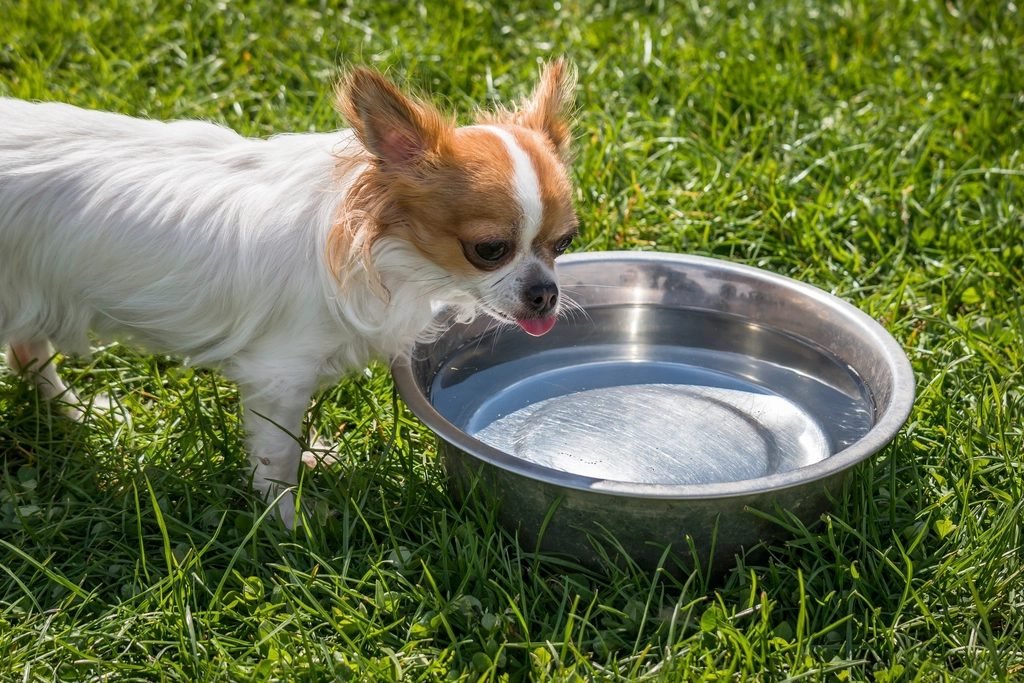
This guide is for the dog owner planning summer walks around a working day, and for anyone with a flat-faced breed, an older cat or an overweight pet who struggles when the temperature climbs: the commuter who walks the dog at lunchtime, the family heading off on a road trip with a spaniel in the back, the first-time owner of a pug. Heat affects pets faster than many people expect, often on days that do not feel especially hot. Most of the risk comes from a few predictable situations, and each has a simple fix.
This article is general information. Your veterinarian knows your animal and is the right person to ask about its specific risks.
Why heat is harder on pets
Dogs cool themselves mainly by panting, not by sweating as people do. Cats groom and seek cool spots. Both depend heavily on shade, water and air movement. The American Veterinary Medical Association’s warm weather pet safety guidance puts it plainly: if it is hot outside for you, it is even hotter for your pet. It also warns that warm weather poses risks even on days that do not seem that hot.
Pets at higher risk
The AVMA notes that overweight pets and short-nosed dog breeds have a higher risk of problems with warm-weather exercise. Short-nosed, or brachycephalic, breeds include pugs, bulldogs, French bulldogs, boxers and shih tzus. Puppies, senior pets and those with heart or breathing conditions also deserve extra caution; ask your vet what applies to your animal.
The car: never, not even briefly
The single most important rule in AVMA’s guidance: never leave a pet in the car, even in the shade or with the windows cracked. Cars can overheat quickly to deadly temperatures, even when the weather is not severe.
“I’ll only be five minutes” is how most of these emergencies begin. If you cannot take your pet into the shop with you, leave it at home. AVMA’s advice is to leave pets at home when possible when you need to go out and about.
If it is too warm to sit in a parked car with the engine off, it is far too warm for your dog.
Walks and exercise
Change the timing
AVMA recommends walks, hikes and runs during the cooler hours of the day, and avoiding exercise with a dog during the hottest parts of the day or on particularly warm days. In practice that often means early morning and late evening.
Check the ground
Asphalt and other hot surfaces can burn paws, the AVMA warns. A simple home test many owners use is to rest the back of your hand on the pavement for several seconds; if it is uncomfortable for you, it is too hot for bare paws. Walk on grass or shaded paths instead.
Shorter, slower, with breaks
Take frequent breaks and bring enough water for both of you, as AVMA advises. Shorten the walk on warm days rather than keeping to the usual distance.
Talk to your vet before new exercise
AVMA suggests consulting your veterinarian before starting an exercise programme for your pet, particularly for higher-risk animals.
Keeping pets comfortable at home
| Need | What to do |
|---|---|
| Water | Unlimited access to fresh water; add a second bowl in another room |
| Shade outdoors | Access to shade whenever the pet is outside |
| Cool zones indoors | Provide different temperature zones in the house so the pet can choose |
| Grooming | Ask your vet whether a warm-weather trim or other protection would help |
| Parasites | Keep up flea, tick and heartworm prevention, as these are more common in warm weather |
Those recommendations come from AVMA’s guidance. Small extras such as a cooling mat, a damp towel to lie on, or a fan in the room where your pet rests can help, though a fan alone does not cool a dog the way it cools a person.
Garden and yard hazards
Warm weather also means more time in gardens, and AVMA lists several hazards:
- Check that plants in your garden and yard are safe for pets.
- Store lawn fertiliser and insecticides out of reach.
- Follow product instructions, especially on how long pets must stay off treated areas.
- If you use a lawn service, make sure it knows you have pets.
- Avoid cocoa bean mulch, which contains the same toxin found in chocolate.
Signs of heat stress
AVMA advises seeking emergency veterinary care if you see any of these signs:
- Anxiousness
- Excessive panting
- Restlessness
- Excessive drooling
- Unsteadiness
- Abnormal gum and tongue colour
- Collapse
What to do while you get help
Move the pet to a cool, shaded place, offer small amounts of water if it can drink, and call your vet or nearest emergency clinic while you travel. Phone ahead so the team can prepare. Do not wait to see whether symptoms pass; heat stress can worsen quickly.
Planning for a heatwave
When a hot spell is forecast:
1. Move walks to early morning and late evening.
2. Set up a cool room with water, shade and a hard floor or cooling mat.
3. Freeze a few treats or a stuffed chew toy for low-effort enrichment indoors.
4. Note your vet’s out-of-hours number and nearest emergency clinic.
5. Avoid long car journeys in the heat of the day; if you must travel, keep the air conditioning on and never leave the car with your pet inside.
6. Check on outdoor pets such as rabbits and guinea pigs, whose hutches can heat up in direct sun; move them into shade.
A sample hot-day routine for a working owner
Here is how the AVMA advice might fit a typical weekday for someone who works away from home and has a medium-sized dog.
Early morning. The main walk happens before the day warms up, on shaded streets or grass. Bring water for a longer route. Fill two water bowls before leaving and close curtains on sun-facing windows.
Midday. Instead of a lunchtime walk, a neighbour or dog walker lets the dog into the garden briefly for a toilet break in the shade, checks the water bowls and leaves. No long walk on hot pavements.
Afternoon. The dog rests in the coolest room with its water and a chew toy. A frozen treat in a puzzle feeder gives something to do without exertion.
Evening. A second walk after the pavements have cooled, again with water and breaks.
Before bed. Water bowls refreshed; windows opened if the night air is cooler.
Adjust the timing to your climate. In very hot regions, even early-morning walks may need to be shorter.
Cats in hot weather
Cats are often better at finding cool spots on their own, but they still need water and shade. Indoor cats may seek tiled floors or bathtubs; leave those spaces accessible. Watch older cats and flat-faced breeds such as Persians closely, and use the same AVMA warning signs.
Hot weather checklist
- Fresh water always available, inside and out
- Shade whenever outdoors
- Walks in the cooler hours; shorter on hot days
- Pavement checked before walking
- Pet never left in a parked car
- Higher-risk pets (short-nosed, overweight, senior) given extra care
- Garden chemicals stored safely; no cocoa bean mulch
- Heat stress signs known; emergency vet number saved
Takeaway
Heat risk for pets comes mostly from parked cars, midday exercise, hot pavements and a lack of water or shade. Walk early and late, keep water and cool spaces available, never leave a pet in a car, and treat any sign of heat stress as an emergency.