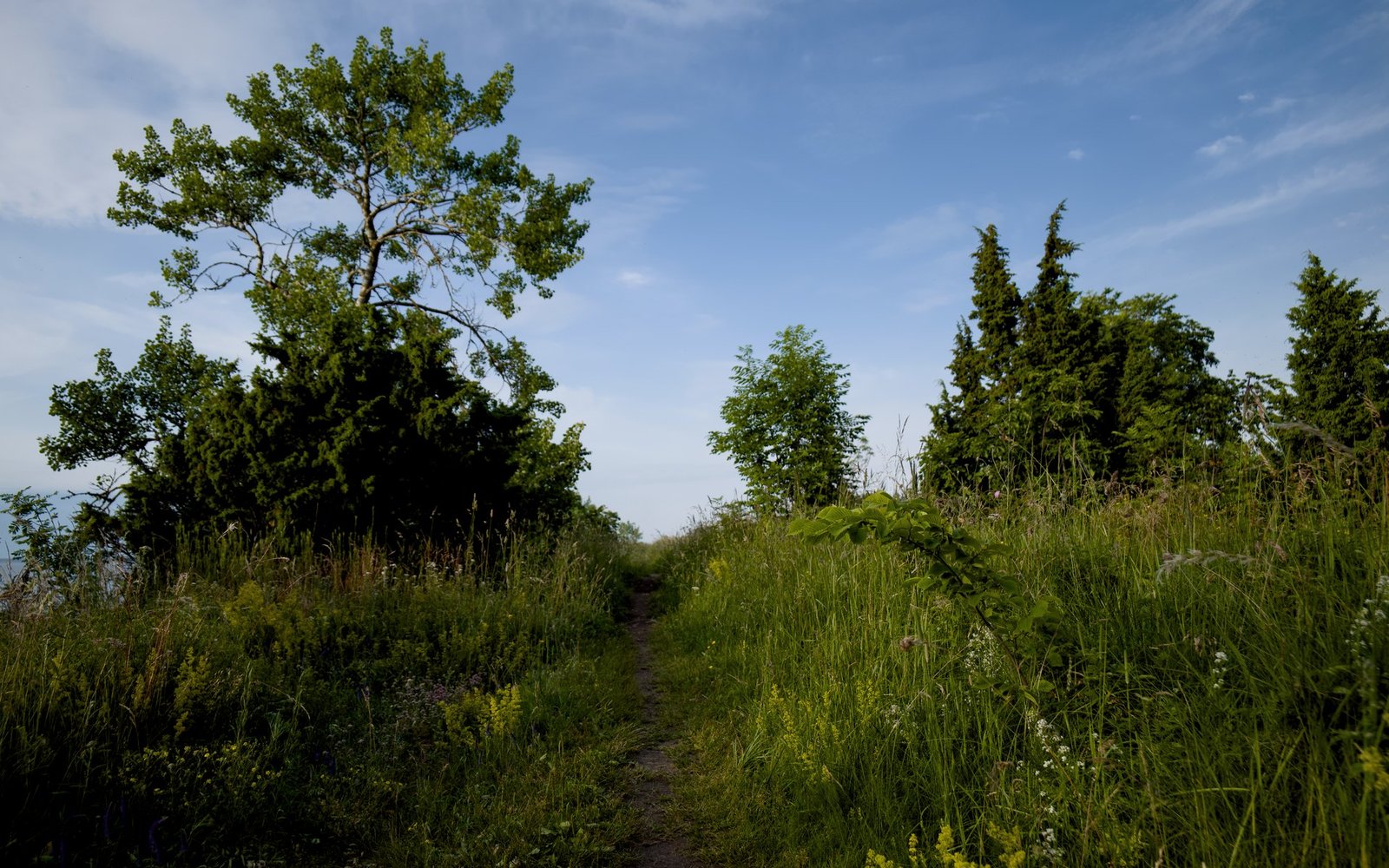
This guide is for people who want to walk further than the local park but haven’t planned a proper day hike before. You’ll learn how to pick a route that fits your fitness, estimate how long it will take, navigate, and decide in advance when to turn back.
Most problems on day hikes come from the same few things: a route that’s too long, a late start, bad weather nobody checked, and no one knowing where you went. Planning deals with all of them.
Choose a route that matches your fitness
Start with what you already know you can do. If you comfortably walk five miles on flat ground, a first hike of six or seven miles with some hills is a sensible step up. Doubling your usual distance on unfamiliar ground isn’t.
When you look at a route, check:
- Distance, and whether it’s a loop or out-and-back
- Total height gained, which matters as much as distance
- Terrain: paved path, rough track, rocky ground, or scrambling
- Exposure: steep drops, open moorland or high ground with no shelter
- Escape routes, meaning places where you can cut the walk short
Official sources such as national park websites, local authority pages and land managers often describe routes and grade their difficulty. Check them against a map, and don’t rely on one person’s write-up.
Factor in elevation
Climbing slows you down far more than people expect, and steep descents are hard on knees and tiring in their own way. A route with a lot of ascent can take twice as long as a flat route of the same length.
One rule of thumb used by walkers is Naismith’s rule: roughly an hour for every 5 km (3 miles) of distance, plus about an extra hour for every 600 m (2,000 ft) of ascent. It assumes a reasonably fit walker in good conditions, so treat it as a starting point, not a promise.
Estimate your time
Work out a realistic total time, then add to it. A simple method:
- Use the rule of thumb above to get a base walking time.
- Add time for breaks, photos and lunch. An hour is reasonable for a full day.
- Add more if the group includes children, less experienced walkers, or anyone carrying a heavy bag.
- Compare the total with the hours of daylight on the day you’re going.
If the total is close to your available daylight, choose a shorter route. You want plenty of spare time, not a race against sunset.
Maps and offline navigation
Don’t rely only on signposts or following other walkers. Carry a way to know where you are.
- A paper map of the area, in a waterproof case or bag
- A compass, and some idea of how to use it with the map
- A phone mapping app with the area downloaded for offline use, because signal often disappears in hills and valleys
- A power bank, as navigation apps drain batteries quickly, especially in cold weather
Before the day, trace the route on the map and note key points: where you leave the road, junctions where you could take a wrong turn, and the highest point. Knowing what’s coming makes it easier to notice when something doesn’t match.
Tell someone your plan
Leave your plan with someone who isn’t coming. Include:
- The route, ideally with a map link or a screenshot
- Where you’ll park and the car’s description
- When you’re starting and when you expect to be finished
- Who is in your group
- What they should do, and when, if they don’t hear from you
Then let them know when you’re safely back. That final message matters. Without it, the plan is useless.
Check the weather
Check the forecast the night before and again in the morning. On high ground, conditions can be very different from the nearest town: colder, windier and cloudier. Mountain-specific forecasts, where available, are more useful than general ones.
Look at wind speed, temperature, rain, visibility and sunset time. Low cloud can make simple navigation hard. Heat brings its own risks, so carry more water and plan to avoid the hottest part of the day if possible.
If the forecast is poor, change the plan. A lower-level walk or a different day is always an option.
Pack the essentials
The US National Park Service lists ten essentials for hikers. They’re a good base for any day walk:
| Essential | What it means for a day hike |
|---|---|
| Navigation | Map, compass, phone with offline maps |
| Sun protection | Sunglasses, sun cream, hat |
| Extra clothing | Warm layer, waterproof jacket, hat, gloves |
| Illumination | Head torch, even if you plan to finish early |
| First aid | Small kit including blister dressings |
| Fire | Lighter or matches, for emergencies |
| Repair kit and tools | Small knife or multi-tool, tape |
| Nutrition | Lunch plus extra snacks |
| Hydration | Enough water, and a way to treat more |
| Emergency shelter | Survival bag or space blanket |
Most of this fits in a small daypack. Wear walking boots or shoes with good grip that you’ve worn before. New footwear on a long walk is a common cause of blisters.
Set a turnaround time
This is the single most useful habit in day hiking. Before you start, decide a time at which you’ll turn back, wherever you are.
To set it, work out how long the return will take from roughly the furthest point, add a safety margin, and count back from the time you need to be finished. Write it down or set a phone alarm.
Reaching the top is optional. Getting back is not.
Stick to it, even if the summit is “just there”. Most walkers who get into trouble pushed on when they should have turned round. The same goes for other warning signs: worsening weather, someone in the group struggling, or losing the path. Turning back early is a good decision, not a failure.
On the day
- Start early, so you have daylight to spare
- Keep an eye on time against your plan at each key point
- Eat and drink little and often, before you feel tired
- Keep the group together, walking at the pace of the slowest person
- Know the emergency number for the country you’re in
Checklist
- Pick a route within your fitness, with a known distance and height gain
- Estimate time realistically and compare it with daylight
- Download offline maps and carry a paper map
- Leave your plan with someone and tell them when you’re back
- Check a forecast for the high ground, not just the town
- Pack the ten essentials
- Set a turnaround time and stick to it