This guide is for anyone who wants to use less energy at home over the colder months, whether to lower bills, cut emissions or both. You’ll get practical steps on heating controls, draughts, curtains, radiators, hot water and appliances, most of which cost little or nothing.
Get your heating controls right
Heating is usually the biggest part of a home’s winter energy use, so this is where small changes matter most.
Thermostat
A room thermostat keeps the house at a set temperature, switching the heating off once it gets there. Set it to the lowest temperature you’re comfortable at, and leave it there. Turning it up when you feel cold doesn’t warm the house any faster.
Turning the thermostat down while you sleep or are out also helps. The US Department of Energy suggests setting it lower by 7 to 10°F for eight hours a day while you are away or asleep, and says this can save up to 10% a year on heating bills. You can read its winter energy-saving tips on energy.gov.
If you have a heat pump, check the manufacturer’s guidance before using big overnight setbacks, as many work best with steady, lower settings.
Timer or programmer
A timer controls when the heating comes on. Set it to match your routine: warm before you get up, off while the house is empty, back on before you get home. There’s no need to heat an empty house all day.
Try setting the heating to switch off half an hour before bedtime. The house stays warm for a while afterwards.
Keep warm enough
Cutting energy shouldn’t mean living in a cold home. Cold indoor temperatures can be risky for health, especially for babies, older people and anyone with a long-term illness. If someone in your home is in one of these groups, keep the rooms they use properly warm and save energy elsewhere.
Heat only the rooms you use
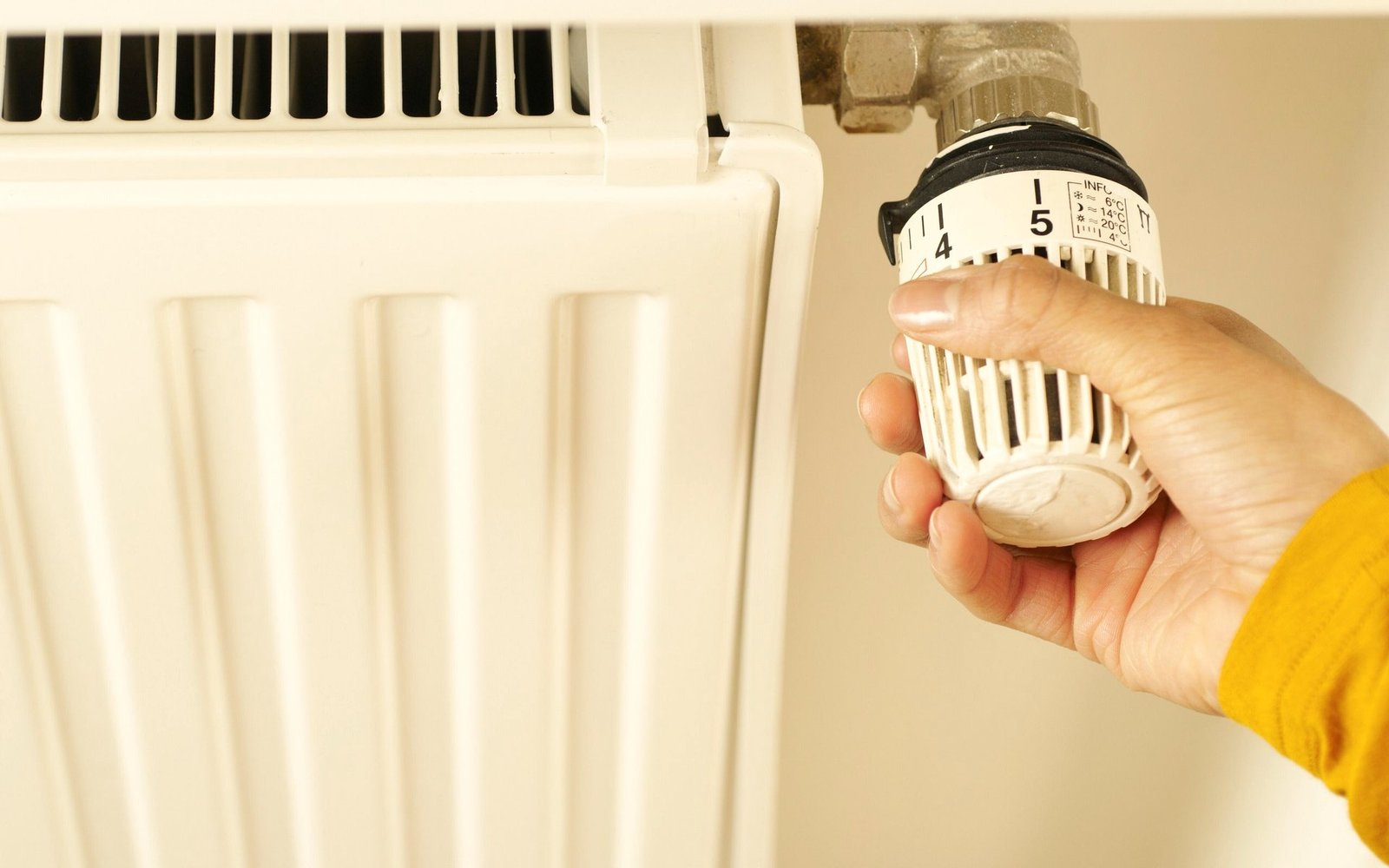
Many homes heat every room equally, even rooms nobody uses. If your radiators have thermostatic radiator valves (the numbered dials on the side), you can set each room separately.
- Turn valves down in spare rooms, hallways and rooms you use only briefly.
- Keep main living rooms at a comfortable setting.
- Close doors to keep heat in the rooms you’re using.
Don’t turn rooms off completely for weeks if they’re prone to damp. A low setting keeps the air from getting too cold and helps prevent condensation and mould.
Stop draughts
Warm air escapes through gaps around doors, windows, floorboards and unused chimneys. Draught-proofing is one of the cheapest ways to keep heat in.
To find draughts, hold the back of your hand near edges and gaps on a windy day, or watch a candle flame from a safe distance. Common fixes:
- Brush or foam strips along the bottom and sides of external doors.
- Self-adhesive seals around opening windows.
- A cover or flap for the letterbox and keyhole.
- Filler or sealant for gaps between skirting boards and floors.
- A removable chimney draught excluder for a fireplace you don’t use.
Don’t block air bricks, trickle vents in windows, or extractor fans. Homes need some ventilation to keep the air healthy and prevent damp. If you have a gas, oil or solid fuel appliance, never block its air supply.
Use curtains and blinds well
Windows lose a lot of heat. Curtains help, but only if you use them at the right times.
- During the day: open curtains on sunny windows to let the sun warm the room.
- At dusk: close them to hold the heat in.
- Tuck long curtains behind radiators. If they hang over the top, warm air goes up behind the curtain and towards the cold glass.
Thick or lined curtains work best. A cheap thermal lining added to existing curtains can make a noticeable difference.
Open the curtains to the sun, close them at dusk, and keep them off the radiators.
Radiator tips
A few simple habits help radiators work better.
- Keep them clear. Don’t block radiators with sofas, drying racks or long curtains. Heat needs to get into the room.
- Bleed them. If the top of a radiator is cold while the bottom is warm, air may be trapped. Bleeding it with a radiator key lets the air out. Turn the heating off first and let the radiator cool, and if you have a combi boiler, check the pressure gauge afterwards and top up if your boiler manual says to.
- Reflective panels. On external walls, foil panels behind radiators can reflect some heat back into the room.
If radiators stay cold after bleeding, or the boiler keeps losing pressure, call a qualified heating engineer. Don’t attempt a bigger repair yourself.
Hot water
Heating water takes a lot of energy, so small changes add up.
- Take shorter showers. A shower timer or a song you like can help.
- Fit a water-efficient shower head if yours is old.
- Fix dripping hot taps.
- Wash clothes at lower temperatures where the care label allows.
- If you have a hot water tank, make sure it has a well-fitted insulating jacket, and insulate any pipes you can easily reach.
If you have a hot water cylinder, don’t set its temperature very low to save energy. Stored hot water needs to be hot enough to stop bacteria growing, so follow your system’s manual or ask a heating engineer before changing it.
A small free tip: after a bath, you can leave the water in the tub until it cools, so its warmth goes into the room. Don’t do this if there are young children or anyone at risk of falling in the house.
Appliances and lighting
Appliances use energy all year, but winter brings longer evenings, more cooking and more drying.
- Drying clothes: dry outdoors on fine days, or on an airer in a well-ventilated room. Use a tumble dryer for full loads only.
- Cooking: put lids on pans, match the pan to the ring size, and use a microwave, slow cooker or air fryer for small portions instead of heating a whole oven.
- Kettle: boil only the water you need.
- Washing machine and dishwasher: run full loads and use eco programmes.
- Lighting: switch to LED bulbs and turn lights off in empty rooms.
- Standby: switch off TVs, games consoles and chargers at the wall when not in use, unless they need to stay on to update.
Longer-term improvements
If you own your home, bigger changes such as loft insulation, cavity wall insulation, better windows or a new heating system can reduce energy use for years. Costs and grants vary a lot by country and region, so check your government’s or local council’s energy advice service before you start, and use qualified installers.
Checklist
- Set the thermostat to the lowest comfortable temperature.
- Turn it down at night and when you’re out.
- Match your heating timer to your routine.
- Turn down radiators in rooms you don’t use, but don’t let damp-prone rooms go cold.
- Draught-proof doors, windows and letterboxes, but keep vents clear.
- Open curtains to the sun, close them at dusk.
- Bleed and unblock radiators.
- Cut hot water use and insulate tanks and pipes.
- Run full loads, use lids on pans and switch off at the wall.